Sleep affects more than how you feel the next day. If you are working on weight loss, your nightly routine matters because it can influence how your body handles hunger, energy, and the hormonal signals that steer metabolism. The good news is you do not need perfection or supplements to start. You need sleep support that is realistic, consistent, and tailored to your biggest barriers.
Below is a beginner-friendly, practical guide to metabolism boosting sleep support, with a focus on what you can do tonight and what to adjust if your weight loss progress feels stuck.

Sleep and metabolism basics (what actually links them)
When people say “improve metabolism through sleep,” they often mean it indirectly. Sleep does not flip a switch that melts fat on command. Instead, it shapes the conditions your body uses to regulate appetite, insulin sensitivity, and energy balance.
Here is the chain I see most often with clients and friends who track their habits:
- Short sleep tends to increase hunger signals. You feel more drawn to high-calorie foods, and your “no” gets weaker by evening. Sleep disruption can make blood sugar harder to manage. When your body is less responsive to insulin, your metabolism has to work harder to handle the energy you eat. Poor sleep can lower your activity drive. Even if you do not notice it consciously, you may move less the next day, which reduces your daily energy burn. Stress hormones rise when sleep is poor. That can nudge cravings and make it harder to stick with portions, timing, and training.
The simplest way to think about it is this: metabolism is not only about workouts and food. It is also about whether your body gets the recovery time it needs to run smoothly.
A quick reality check on expectations
If you are hoping for overnight results, you might feel disappointed. But if you have ever noticed that a few nights of bad sleep can set off cravings and “snack momentum,” you already understand the leverage. Sleep support is often slow and cumulative, not dramatic and immediate.
What to do first: build a sleep base for fat burning and metabolism support
If sleep is inconsistent, your “metabolism plan” will struggle. So start with the foundation, then refine. For weight loss, I prioritize actions that protect sleep duration and sleep quality, because that is where the appetite and energy regulation benefits tend to show up.
Instead of aiming for an extreme routine, aim for a routine you can repeat even on busy days.
Here are the steps that make the biggest difference for beginners:
Choose a realistic bedtime window and keep your wake time steady most days. Get morning light within an hour of waking for 5 to 15 minutes, especially if you feel groggy. Keep your evening wind-down screen-light and conversation-light at least 45 to 60 minutes before bed. Cool your bedroom. Many people do better around the low-to-mid 60s Fahrenheit range, but comfort matters more than the exact number. If you cannot fall asleep within about 20 to 30 minutes, reset by doing something quiet in dim light until you feel sleepy again.These choices support sleep and metabolism basics without relying on guesswork.
A small anecdote worth taking seriously
One client of mine was working out hard but still felt “hungry for no reason” after dinner. She started treating her bedtime like an appointment, not an afterthought. By week two, her cravings tightened. It was not that she ate less because she was stricter. It was that she felt less pulled in the first place. That is the kind of effect that Resurge reviews connects sleep quality to weight loss in a way that feels grounded.

Timing matters more than intensity
If you train late, for example, you might get a burst of energy and then struggle to wind down. You do not have to stop training. You may just need to shift meals earlier, dim lights sooner, and avoid intense caffeine after lunch. The goal is to make sleep easier, not to punish yourself.
Metabolism boosting sleep support habits you can actually keep
Once you have a baseline, you can fine-tune the habits that help your body handle the night, and the next morning, more smoothly. This is where “metabolism boosting natural sleep aid” often gets discussed. The key is to use natural tools that reduce friction, not to chase something that sounds magical.
Here are practical habits I recommend because they are gentle and measurable.
Food timing for better sleep and better hunger control
You do not need to starve at night, but you do want to avoid heavy meals right before bed. Many people sleep better when their last substantial meal is about 2 to 3 hours before lying down. If you feel snacky, try a planned option instead of random eating. For example, a small serving of Greek yogurt, a piece of fruit with a handful of nuts, or cottage cheese can help some people without creating stomach discomfort.
Edge case: if you train at night and feel truly ravenous after, skipping food can backfire. In that case, a smaller, earlier post-workout snack or light dinner may protect both sleep and your overall calorie plan.
deep sleepCaffeine boundaries that respect your body clock
Caffeine can stay in your system longer than you expect. If you are sensitive, cut it earlier. If you are less sensitive, you may still need a cutoff time that is consistent. A common beginner-friendly approach is to stop caffeine after lunch and notice what changes in your sleep onset.
Stress downshifts you can repeat nightly
Stress is not a character flaw, it is an input. If your mind runs hot at bedtime, you need a downshift ritual that you repeat enough times that your nervous system learns it. It can be as simple as a 10-minute breathing practice, a short journal entry, or laying out tomorrow’s clothes. The benefit is not the activity itself. The benefit is that you signal safety and predictability.
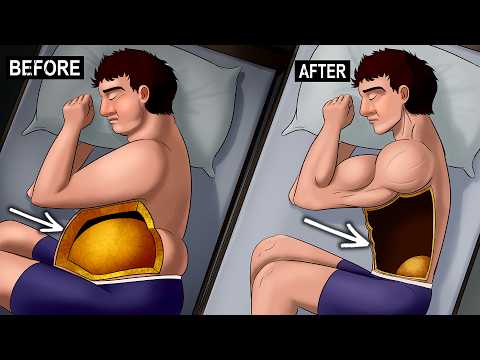
Alcohol, even “just one,” can cost you the next day
Alcohol can make you sleepy, but it often worsens sleep depth and continuity. If you are trying to support metabolism during sleep for weight loss, I have found that reducing alcohol tends to make hunger easier to manage. If cutting it entirely feels unrealistic, try smaller amounts and earlier timing, then check whether your sleep feels deeper.
How to know if your sleep support is helping weight loss
You can track sleep in a way that does not turn your life into data entry. The trick is to pick a few signals that connect directly to weight loss behavior and recovery.
Look for changes over 2 to 4 weeks, not 2 to 4 days. Sleep improvements can be subtle at first, then become obvious when your appetite pattern shifts.
Signs that your sleep and metabolism basics may be working for you:
- You fall asleep faster, or you wake up less often. Your cravings feel less “urgent” at night. Your morning hunger is steadier, not chaotic. Your energy for daily movement improves, even if workouts stay the same. You feel less irritable, which often makes it easier to stick with portions.
If you track weight, remember day-to-day fluctuations are real. Focus more on the downward trend and how your eating behavior changes when your sleep improves.
When to adjust: common roadblocks
If you are doing the basics and sleep still feels rough, it helps to check a few likely culprits:
- Your wake time drifts too much on weekends, undoing the rhythm. Your bedroom is too warm or too bright, even slightly. Your evening routine is inconsistent, which keeps your body from settling. You are dealing with anxiety or discomfort that needs direct attention, not just routine tweaks.
This is also where a professional conversation can help. If you suspect sleep apnea, restless legs, or chronic insomnia, weight loss support should not rely only on habit changes.
When to add “sleep aid” options (and what to be careful about)
Many beginners ask about metabolism boosting natural sleep aid, especially when they are tired of spinning wheels. There are options, but the best move is caution. If a sleep aid makes you drowsy without improving sleep quality, you might feel better while your appetite regulation stays off.
I generally treat sleep aids as secondary to routine, because routine is the foundation that improves sleep and metabolism through sleep over time.
A sensible decision path looks like this: - First, confirm your sleep schedule, light exposure, and caffeine timing are working. - Second, reduce evening friction like heavy meals and late screens. - Third, if you still struggle, consider targeted help and discuss it with a clinician, especially if you take other medications or have a medical condition.
Because people vary, I cannot give a one-size recommendation. But I can say this confidently: anything that you use regularly should be compatible with your weight loss goals, your health history, and your ability to wake up feeling steady, not groggy.
A practical mindset shift for beginners
Instead of asking, “What supplement will boost metabolism while I sleep?” try, “What change will make my nights more consistent?” Metabolism is influenced by patterns. When sleep becomes more stable, your hunger cues and daily energy often become easier to manage, and that is where weight loss tends to take shape.
If you want to start tonight, pick one lever from the sleep base section, protect your wake time, and make your evening routine simpler. Consistency beats intensity.